General liability
General liability may help address claims alleging bodily injury or damage to someone else’s property arising from your operations.
Contractor insurance
From one-person operations to growing crews, we help contractors review insurance for their business, employees, vehicles, tools and equipment.
General liability may help address claims alleging bodily injury or damage to someone else’s property arising from your operations.
Coverage for work-related employee injuries. Payroll, employee duties and state requirements are considered when reviewing the policy.
Coverage for work trucks, vans and other vehicles owned or used by the business. Hired and non-owned auto may also need to be considered.
Coverage for portable tools, materials and other business property while being transported, stored at a job site or used away from your primary location.
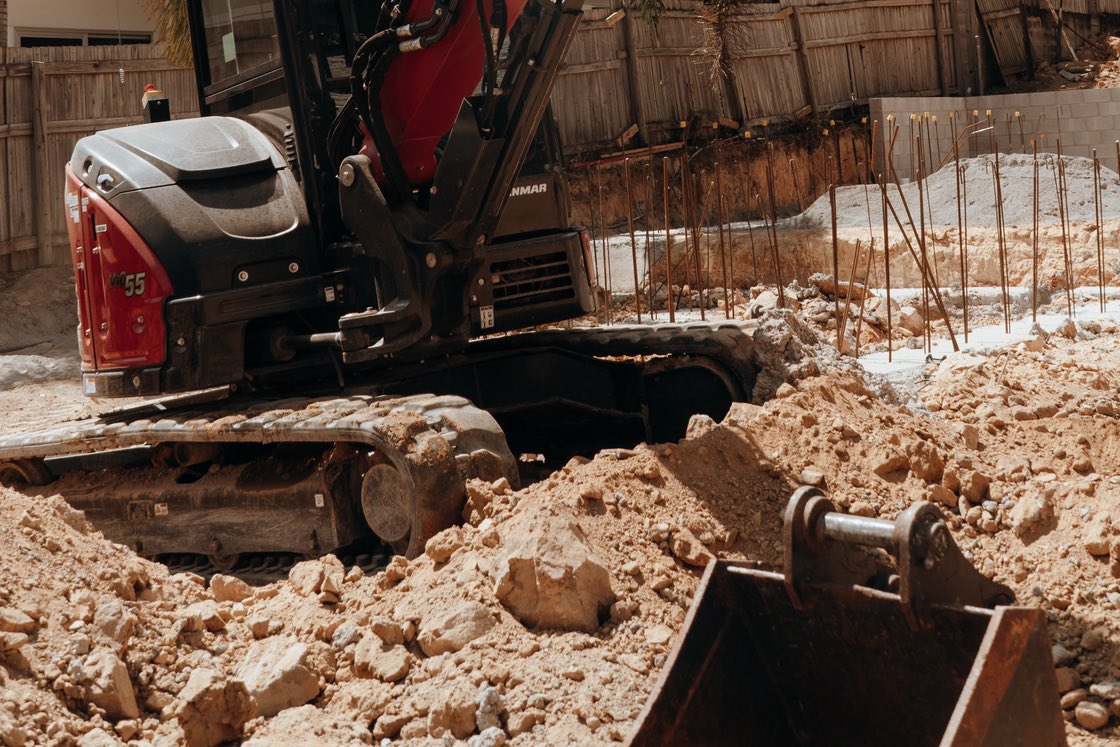
Coverage may be available for larger mobile equipment such as skid steers, excavators, loaders, lifts, generators and other machinery that is owned, rented or leased.
May provide additional liability limits above eligible underlying policies, such as general liability and commercial auto.
The coverage your business needs will depend on the work you perform, the equipment you use, your employees and the contracts you accept.
By trade
Every trade runs into a different set of questions. These pages cover what tends to matter most for each one, and what to have ready when you want a review.
Subcontractor risk transfer, certificates of insurance and subcontractor insurance requirements.
Heavy equipment, damage getting to the pour and questions about work that has already cured.
Overspray, solvents, dust and working inside spaces that are already finished.
Moisture, adhesives, finishes and damage to the space around the installation.
Removals, climbing, storm work and everything sitting underneath the tree.
Thrown objects, chemical application, trailers and the seasonal shift into snow work.
Customers' vehicles in your care, test drives, and repairs that come back.
Breakage in handling and transit, sealing failures and setting glass at height.
Work in live traffic, hot mix, sealcoat and heavy equipment on the move.
Spray foam chemistry, tight spaces and moisture problems that appear later.
Torch work, combustion safety, stocked service vans and installs that fail in January.
Water damage from a single connection, torch work and claims that surface months later.
Fire risk that follows the finished work, energized service and long-tail claims.
Eligibility, exclusions and underwriting needs vary between businesses that look similar on paper. Coverage depends on your actual operations and on the policy, carrier, terms, conditions, limits and exclusions that apply. We will need to understand how your business works before discussing available options.