Getting equipment to the pour
A loaded ready-mix truck or pump crossing a lawn, an existing driveway, a septic system or a buried utility causes a meaningful share of claims in this trade. The damage often has nothing to do with the concrete itself.

Contractor insurance
Concrete and masonry contractors work with heavy equipment, valuable tools and materials, and demanding job-site conditions. The right insurance can help protect your business from risks involving employee injuries, property damage, commercial vehicles and equipment.
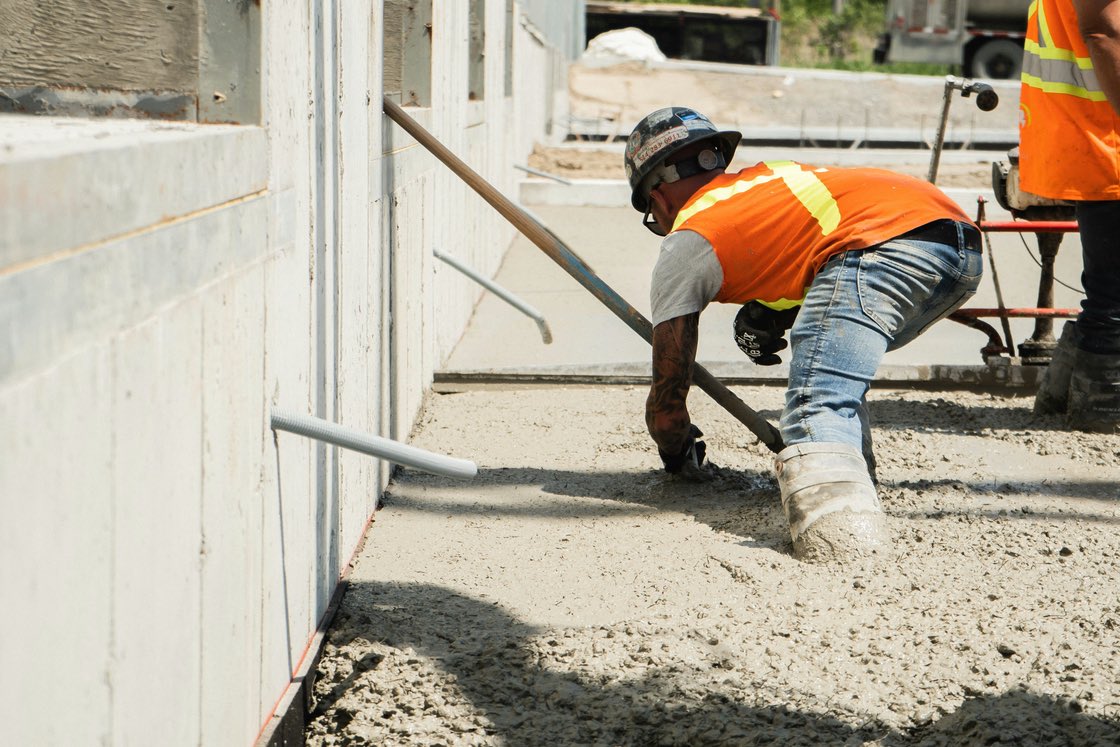
The mix between flatwork, foundations and masonry changes the exposure considerably, so it helps to describe the split rather than a single job title.
A loaded ready-mix truck or pump crossing a lawn, an existing driveway, a septic system or a buried utility causes a meaningful share of claims in this trade. The damage often has nothing to do with the concrete itself.
There is an important difference between a customer who is unhappy with how work turned out and property damage of the kind a policy may be intended to address. Where a particular claim falls depends on the policy language and the facts.
Minnesota's season compresses the calendar and pushes work into marginal conditions. Blankets, heaters and accelerators introduce both cure-failure disputes and, with heaters, a fire exposure.
Masonry work puts people and heavy material above ground for extended periods, which affects both the liability and the workers compensation conversation.
Cutting, coring and grinding generate respirable dust. Controls and documentation matter, and some carriers will ask how the work is performed.
Mixers, skid steers, pumps and power buggies frequently fall outside an auto policy. Where they belong depends on how they are used and transported.
General liability may help address claims alleging bodily injury or damage to someone else's property arising from your operations, subject to the policy terms and exclusions. In this trade, a large share of reported claims involve damage to the property you had to cross or work adjacent to, rather than the concrete itself. Adjacent structures, existing flatwork and underground utilities are worth discussing specifically.
If you have employees, this sits separately from liability and carries its own statutory considerations worth reviewing for your operation. Lifting, height and equipment contact drive the exposure. Describing the actual work accurately, including whether crews perform masonry at height, matters because a vague description can lead to a classification that does not match what your crew does.
Dump trucks, flatbeds, trailers hauling skid steers and, for some operations, mixer or pump trucks. Weight, radius and whether you haul for others are all part of the conversation.
Forms, scaffolding, mixers, saws, screeds, power buggies and skid steers are typically addressed through equipment coverage rather than your liability policy. Values and whether equipment is left on a jobsite overnight both matter.
This page is general information, not legal, safety or coverage advice. What a policy actually covers depends on your business operations and on the policy, carrier, terms, conditions, limits and exclusions that apply. Nothing here confirms eligibility or guarantees that any coverage is available to you.
Usually not in the way people expect. Policies generally treat the cost of redoing your own work differently from damage that work causes to other property. If a failing slab damages something else, that part of the claim may be viewed differently. This is very policy-specific and worth reviewing before you need it.
Often not while it is being operated. Self-propelled equipment used on a jobsite is frequently handled as mobile equipment rather than as an auto, and the trailer hauling it may be treated differently again. It is worth confirming which policy is intended to respond, and when.
It depends on who owned and directed the truck, what the homeowner was told beforehand, and what your policy says. Because the customer will usually come to you first, it is worth knowing the answer before the season starts rather than during it.
Call or text the office, or send a request and we will get back to you.
Dassel State Insurance Agency is based in Dassel and works with contractors throughout Minnesota.